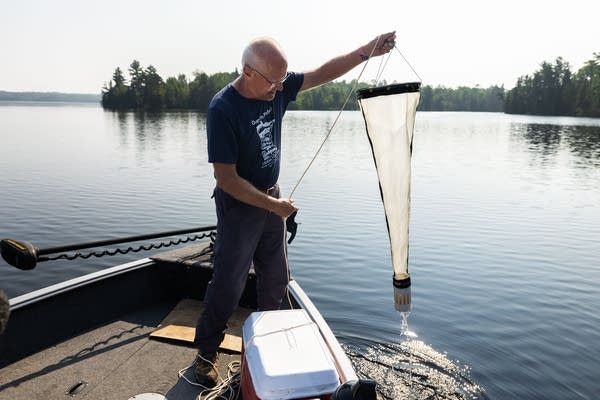
Northern Minn. cities burn wood for power There's a lot of interest in creating fuels that produce less carbon dioxide. In northern Minnesota, people are starting to use another one -- wood waste from logging.3:48 p.m.
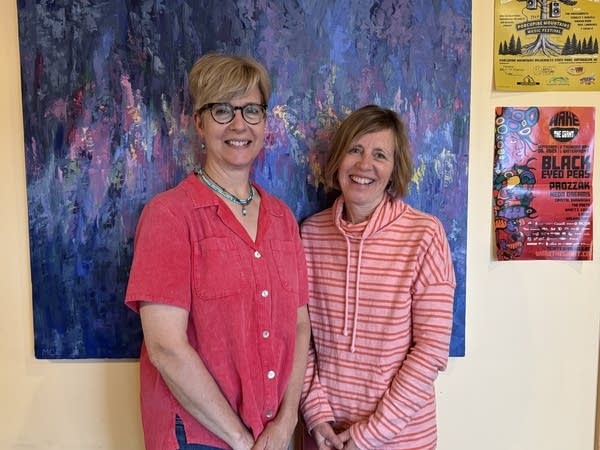
These storytellers are rockstars Every third Sunday of the month, a group of "Gen Y" yarn spinners regale audiences with edgy tales of woe, wisdom and awkward situations. They call themselves the Rockstar Storytellers.3:53 p.m.
Polaris: Moving to Mexico to get closer to customers Polaris Industries officials fleshed out the reasons behind its plan to shut down its parts plant in Osceola, Wis. The Medina-based company plans to shift much of the work -- and many of the jobs in Osceola -- to Mexico, primarily to save money.5:44 p.m.
Northern Minn. cities burn wood for power There's a lot of interest in creating fuels that produce less carbon dioxide. In northern Minnesota, people are starting to use another one -- wood waste from logging.5:50 p.m.
These storytellers are rockstars Every third Sunday of the month, a group of "Gen Y" yarn spinners regale audiences with edgy tales of woe, wisdom and awkward situations. They call themselves the Rockstar Storytellers.5:54 p.m.
National Public Radio Stories
Blair's Exit Raises Questions About Intelligence Job
Dennis Blair offered his resignation as director of national intelligence in the aftermath of distracting turf battles with the CIA, but whether the next DNI will succeed is by no means clear given the challenges likely to face anyone who holds the position.
Week In Politics: Dennis Blair, Financial Bill, Elections
Robert Siegel speaks with regular political commentators, E.J. Dionne of The Washington Post and Brookings Institution and David Brooks of The New York Times, about the resignation of Dennis Blair, President Obama's director of National Intelligence; Senate passage of a financial regulation bill; and the 2010 midterm elections.
Letters: Rand Paul Interview
Listeners respond to an interview with Kentucky’s Republican senatorial candidate Rand Paul. Robert Siegel reads from listeners' e-mails.
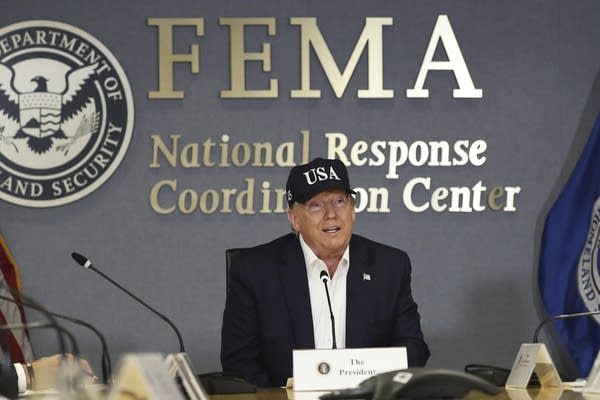
Hurricane, Oil Spill Could Be Troubling Mix
Scientists say the massive oil spill in the Gulf of Mexico will mean any hurricane in the Gulf could inflict extra damage on the coastline. They also worry that the presence of oil could actually lead to more powerful hurricanes. Forecasters already expect the approaching Atlantic hurricane season to be busier than usual.
Oil Spill Tests Obama Vow To Use Scientific Approach
When President Obama took office, he promised a science-based, data-driven approach to solving problems. That philosophy has been tested in the Gulf of Mexico over the past month, as the administration tries to handle the oil spill.
Regina Carter: Translating African Folk To The Jazz Violin
Carter's new album marks a new direction for the jazz violinist: The record interprets African folk songs, both traditional and contemporary. Carter and members of her band recently visited NPR to explain and perform songs from Reverse Thread.
With 'Kites,' Bollywood Looks To Vegas For A Lift
Director Anurag Basu brings the flash and romance of a Hindi-language extravaganza to a tale of comic adventure and cross-cultural amor -- set in Sin City. Bob Mondello says it's a gleeful misplaced-in-translation story that allows its stars (Barbara Mori and Hrithik Roshan) to show off just how sexy, funny and charming the genre can be.
NASCAR Opens Shrine To Stock Car Racing
This weekend, NASCAR will induct its first-ever class into the sport's new Hall of Fame in Charlotte, N.C. Names like Petty and Earnhardt headline the celebration. The inductees are being honored as pioneers who shaped their sport unlike anyone else. Scott Graf of member station WFAE in Charlotte visits the Hall of Fame and talks with fans about the significance of these stock car drivers.
Sweeping Financial Bill Jumps Hurdle
The Senate passed a sweeping overhaul of financial regulations Thursday night. The bill now moves to a conference committee where it will be reconciled with a House version. The bill passed by the Senate would establish a council to regulate systemic risk and create a new consumer-protection agency within the Fed. It would place restrictions on proprietary trading at banks and boost the government's ability to wind down a failing institution, as well as increase oversight of derivatives trading. John Ydstie