


Racism in the neighborhood
Go Deeper.
Create an account or log in to save stories.
Like this?
Thanks for liking this story! We have added it to a list of your favorite stories.

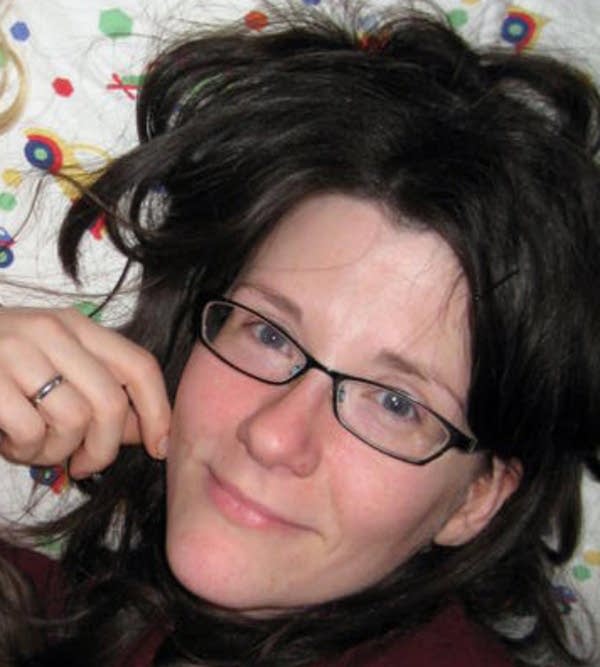
Shannon Drury, former president of Minnesota NOW, is a writer, at-home parent and community activist. She writes a regular column for the Minnesota Women's Press, blogs at www.theradicalhousewife.com and is a source in MPR News' Public Insight Network.
Last fall, I attended an event sponsored by Building Bridges, a community organization that, according to its mission statement, "seeks to understand how race and racism impact our communities and to build the future of our neighborhoods together." The group's name reflects the yawning gap exposed when south Minneapolis neighbors clashed over a proposal to create an off-leash dog area in a park named for the Rev. Martin Luther King Jr. It's also a literal reference to the east-west divide created when Interstate Hwy. 35W was built in the 1950s.
Held in Minneapolis' Field neighborhood, the event featured remarks from Minneapolis native Michele Norris, former co-host of NPR's All Things Considered and author of the 2010 memoir "The Grace of Silence." Norris grew up in a two-story Tudor on a corner lot only three blocks away from where we feted her, and her book describes not only her Minneapolis childhood but also the painful legacy of racism in the silence and secrets carried by members of her family and, by extension, members of her hometown and nation.
Here in Field our discussions over the book are personal, indeed — Norris spent her childhood on the same street where my children Elliott and Miriam are spending theirs. The corner house where Norris lived with her parents Belvin and Betty is where my kids and their friends alight from the bus every afternoon.
Turn Up Your Support
MPR News helps you turn down the noise and build shared understanding. Turn up your support for this public resource and keep trusted journalism accessible to all.
My kids were thrilled when they learned that "the lady on the radio" once lived on the block. But their joy turned to confusion when I shared that Norris' white neighbors put their homes up for sale as soon as the block's first black family moved in. Next door, Norris wrote, "the forlorn For Sale sign sat in front of the house for weeks. At one point, someone attached a flyer that read BEWARE NEGRO NEIGHBORS."
When he heard that, Elliott looked stricken, as if he'd bit into an apple and tasted a worm. To a young white child in the Midwest of the 21st century, racism is not unfamiliar, but it is too easily categorized as the distant past, or something that occurred in the South. His school did a terrific job teaching about the horrors of the Middle Passage as part of a unit on colonial history, and the work of Dr. King is recalled throughout the year, not just around his birthday. But racism, here? In this bucolic backyard, where friends of many different colors like to play with one another?
His reaction was immediate: "that's awful," he said, adding quickly: "We can't tell Kelcy and Megan about this." Like the Norris sisters, these two dear friends are African-American.
"Why? I asked.
He looked at me like I was insane. "It would hurt them," he said.
I couldn't blame Elliott for automatically defaulting to silence. As Norris writes, "the mere mention of the word race can make some people apopleptic or pious or frozen by anxiety, only to beat a hasty retreat to their comfort zone: grim taciturnity." Norris acknowledged that even she and her husband struggle with how much they care to expose their own kids to what she writes is "a four-hundred-year-old cancerous social disease."
Though the discussion that evening was fascinating, heartfelt and honest, I had to admit later that I had attended in hopes it would immediately thaw my own anxiety about discussing the thorny issues of race with my children and their friends. It's melting, but like most parents, I am impatient; I want to fix ugliness for them now.
On June 26, 5-year-old Nizzel George was killed when gang members fired into the north Minneapolis home where he slept. We heard the story reported on the radio as we drove to summer swimming lessons.
"Could that happen to me?" Elliott asked anxiously.
"No," I replied.
Nizzel may have lived in the same city, but he inhabited a different world. The north side might as well be on another planet, racked by poverty, unemployment, violence and the painful legacy of racial quarantining — the same separate but unequal attitudes that confronted the Norrises when they were among the first to integrate the south side. How could I begin to untangle all this for a confused 12-year-old, a kid who wanted answers now?
Our human response to discomfort is fight or flight, anger or withdrawal, seething or silence. Rarely do we allow ourselves the opportunity to grapple with nuance, yet this is where the real transformations occur. Building Bridges and "The Grace of Silence" are essential tools as we tread that middle path — and I'm happy to say that the book is now on my son's nightstand.
Dear reader,
Political debates with family or friends can get heated. But what if there was a way to handle them better?
You can learn how to have civil political conversations with our new e-book!
Download our free e-book, Talking Sense: Have Hard Political Conversations, Better, and learn how to talk without the tension.


