Second explosion at stricken Japan nuke plant
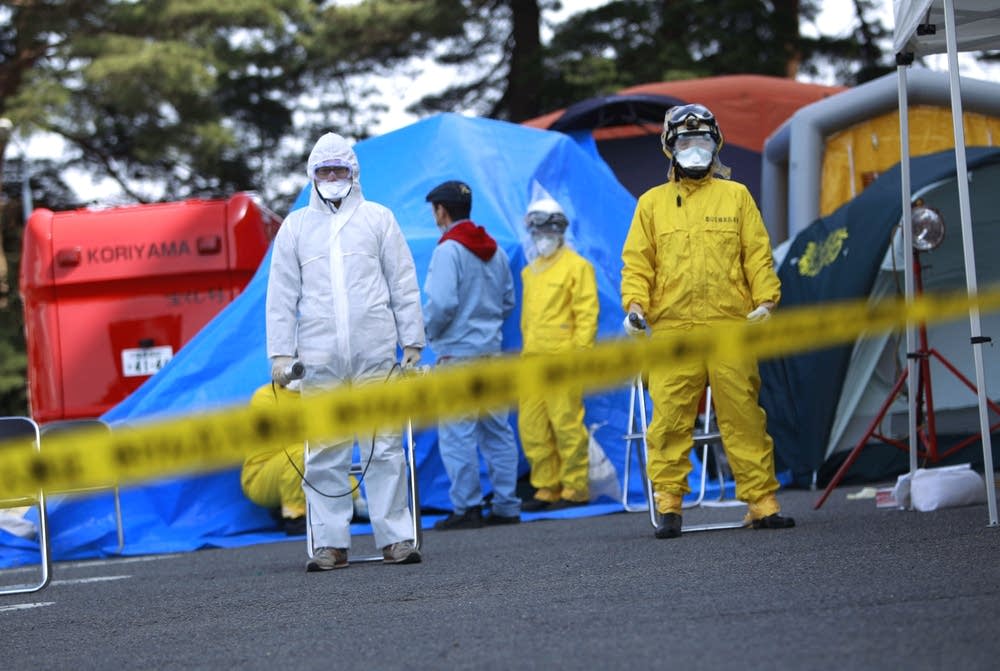
By ERIC TALMADGE and MARI YAMAGUCHI, Associated Press
SOMA, Japan (AP) — The second hydrogen explosion in three days rocked Japan's stricken Fukushima Dai-ichi nuclear plant Monday, sending a massive column of smoke into the air and wounding six workers. It was not immediately clear how much - if any - radiation had been released.
The explosion at the plant's Unit 3, which authorities have been frantically trying to cool following a system failure in the wake of a massive earthquake and tsunami, triggered an order for hundreds of people to stay indoors, said Chief Cabinet Secretary Yukio Edano.
The blast follows a similar explosion Saturday that took place at the plant's Unit 1, which injured four workers and caused mass-evacuations.
Create a More Connected Minnesota
MPR News is your trusted resource for the news you need. With your support, MPR News brings accessible, courageous journalism and authentic conversation to everyone - free of paywalls and barriers. Your gift makes a difference.
Japan's nuclear safety agency said six workers were injured in Monday's explosion but it was not immediately clear how, or whether they were exposed to radiation. They were all conscious, said the agency's Ryohei Shomi.
Earlier, Tokyo Electric Power Co., which operates the reactor, said three workers were injured and seven missing.

The reactor's inner containment vessel holding nuclear rods was intact, Edano said, allaying some fears of the risk to the environment and public. TV footage of the building housing the reactor appeared to show similar damage to Monday's blast, with outer walls shorn off, leaving only a skeletal frame.
More than 180,000 people have evacuated the area in recent days, and up to 160 may have been exposed to radiation.
Earlier Monday, pressure had jumped inside Unit 3, forcing the evacuation of 21 workers. But they returned to work after levels appeared to ease.
Associated Press journalists felt the explosion in the tsunami-devastated port town of Soma, some 25 miles (40 kilometers) north of the reactor. They reported feeling the faint rumble a blast and the ground shaking.
At the time, sirens were wailing as rescue workers were in the midst of evacuating all those in the city to high ground due to a tsunami warning. That turned out to be a false alarm.
---
Associated Press writers Shino Yuasa, Tomoko Hosaka, Elaine Kurtenbach and Joji Sakurai in Tokyo contributed to this report.
(Copyright 2011 by The Associated Press. All Rights Reserved.)


