First step in fighting racism: Start talking about it
Conversations on race are more critical for our community than ever before. Demographics alone assure us that we are becoming an increasingly diverse community.
Between 2000 and 2008, 85 percent of the population growth in the Twin Cities was among communities of color. This growing diversity offers much opportunity for innovation and connection, but we must take steps to create a truly multicultural environment where each person is valued.
As a state, we have one of the largest gaps between African-American and white students in reading, math and high school graduation rates. We also have one of the highest unemployment rates among African-Americans in the country. As an individual, I know the effects that flawed policy, inadequate public support and outright intolerance can have on people in our community.
In my role at the YWCA, I've been involved in conversations with thousands of people about the state of racial justice in our community. I've listened to young white men looking to address racism in their work environments and striving to create positive change. I've heard from older African-American women who desire connection with others as a way to heal. Time and again I've witnessed "Minnesota Nice" behavior that creates a smooth surface yet masks covert acts of racism.
Create a More Connected Minnesota
MPR News is your trusted resource for the news you need. With your support, MPR News brings accessible, courageous journalism and authentic conversation to everyone - free of paywalls and barriers. Your gift makes a difference.
I see these conversations and interactions as evidence that all of us must come together to address racial injustice in our daily lives and relationships with each other.
The YWCA of Minneapolis provides some great tools to help each of us listen with an open mind, build understanding and speak up so that we can all take action to build a stronger community. Confronting racism can be frustrating, scary and exhausting for each of us, but when we stand together we can absolutely make a difference.
I am reminded of the dialogues we held in Chaska, where so many people came together that the room overflowed and we had to meet in hallways. Students, teachers, police and community leaders gathered to talk about what they were seeing in their community and how they could move forward together.
I believe this world is ever changing, and each of us has the power to direct that change. Through conversation, more and more Minnesotans from every racial, cultural and ethnic background are creating understanding. By listening to each other, we can give voice to the impact that individual and institutional racism has on all our lives and build the skills necessary to eliminate racism in our community.
----
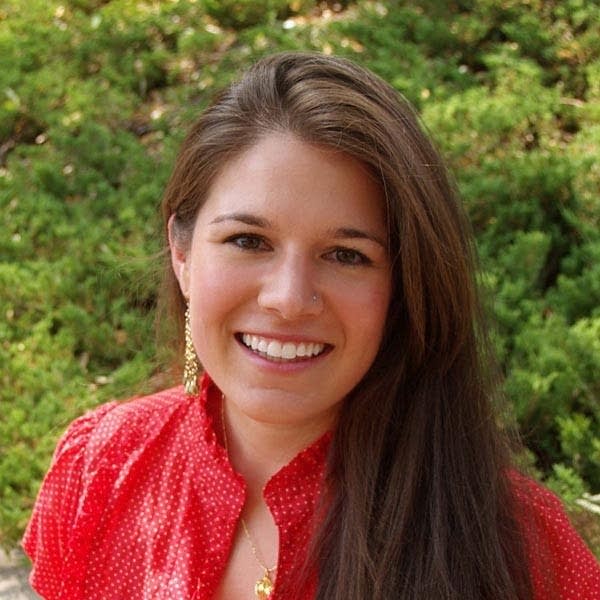
Anita Patel is vice president for racial justice and public policy of the YWCA of Minneapolis.
