


Dos and Don'ts when interacting with the disabled
Go Deeper.
Create an account or log in to save stories.
Like this?
Thanks for liking this story! We have added it to a list of your favorite stories.


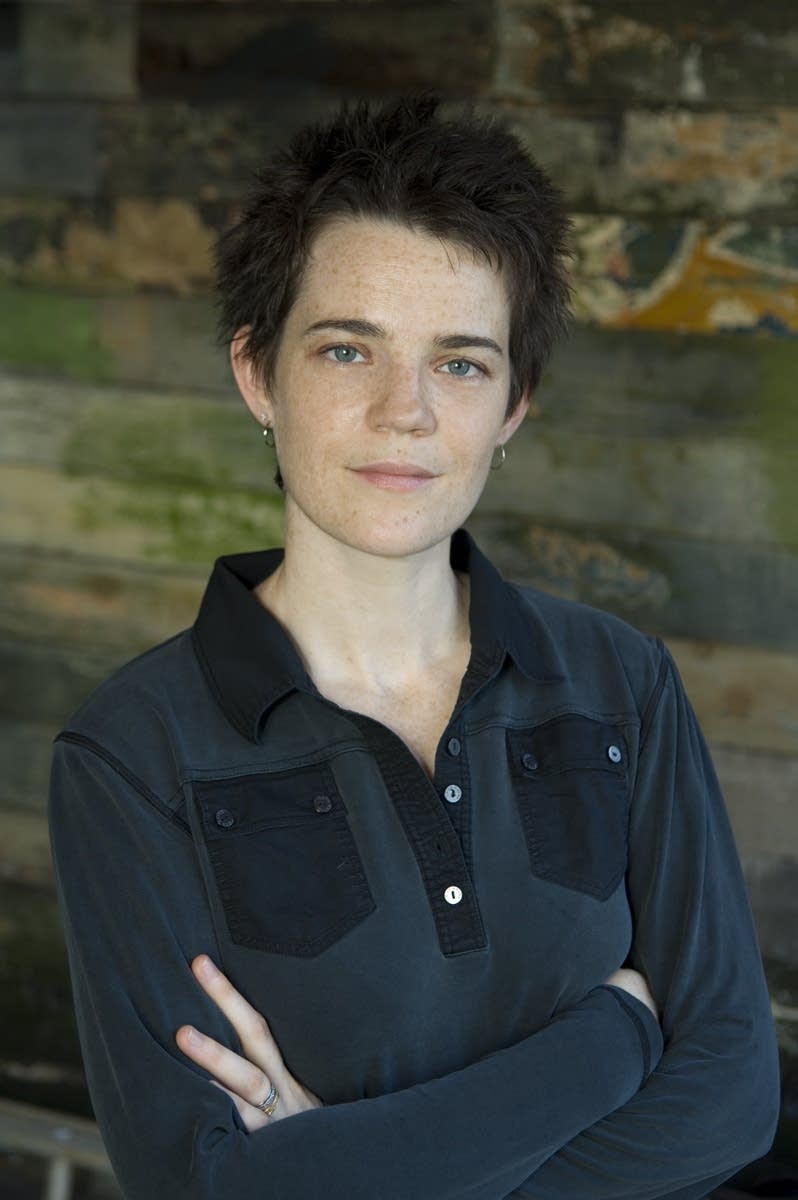
This year marks the 20th anniversary of the American With Disabilities Act. Commentator Haddayr Copley-Woods says that while progress has been made, lots of people still need an ettiquette lesson when it comes to their interactions with disabled people.
Copley-Woods:
DON'T Stare. I know we're fun to watch. Sneak surreptitious glances instead. And please keep the look of disgust off your face.
DO Acknowledge us without staring. This means letting us place our own coffee orders and noticing when we are trying to get around you in crowds.
Turn Up Your Support
MPR News helps you turn down the noise and build shared understanding. Turn up your support for this public resource and keep trusted journalism accessible to all.
DO Give up your seat on the bus or train for disabled people if you were sitting in the accessible seats.
DON'T Look around beaming, expecting praise for this selfless humanitarian gesture. You did not just save ten children from a landslide.
DO Ask if someone needs help, and then abide by their wishes. Disabled people like to pretend that we're capable adults. Humor us.
DON'T 'Help' without asking. If someone in a wheelchair has rolled up to a door, they probably have some sort of a plan. Leaping over us and flinging the door into our shins is not a noble gesture. And NEVER just grab the back of someone's wheelchair or a blind person's arm and start 'helping.' Imagine how startling it would be if random strangers started shoving you around.
DON'T Ask strangers intrusive personal questions such as "what's wrong with you." Sure, you are curious. I myself find some fashion choices curious, but I have learned to live with mystery.
DO Remain calm if your young kid loudly asks such questions. Clutching her to your bosom and running like there's a fire is a bit of an overreaction. Instead, pay attention. Does the disabled person lean forward and smile at your kid? Let your kid ask her questions. Does the person look annoyed? Gently tell your kid that people move, look, and act all kinds of ways and it's best to give people privacy.
DON'T Make condescending jokes about a person's mobility devices, like: "Have you gotta register those crutches as lethal weapons? Haw, haw, haw," or "No fair! I want a wheelchair!" Just because you are deeply uncomfortable with disability doesn't mean you should make us uncomfortable, too.
DO Talk about the weather. This is Minnesota. There are endlessly burning issues to discuss on this topic, which should at least last you an elevator ride.
See? That wasn't so bad, was it? Just follow this handy etiquette guide and you'll escape with dignity intact. More to the point, so will we.

Dear reader,
Your voice matters. And we want to hear it.
Will you help shape the future of Minnesota Public Radio by taking our short Listener Survey?
It only takes a few minutes, and your input helps us serve you better—whether it’s news, culture, or the conversations that matter most to Minnesotans.


