Local inventors frustrated over patent office bureaucracy
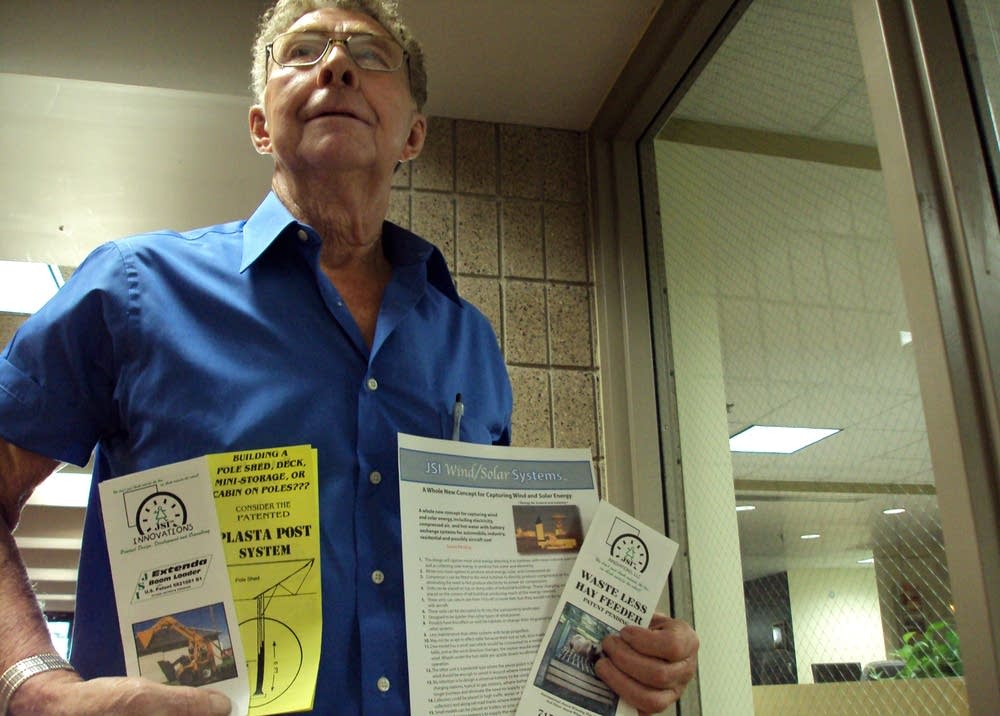
Inventors are frustrated at the backlog of ideas awaiting approval from the U.S. Patent Office, which last quarter rejected more than half of all the patents it reviewed.
Imagine if you had thought up the next light bulb or iPhone, for that matter -- an invention that could make you rich and possibly goose the economy too. But something stood in your way -- getting a patent.
Sometimes innovation is a gift and sometimes, it's more like a curse.
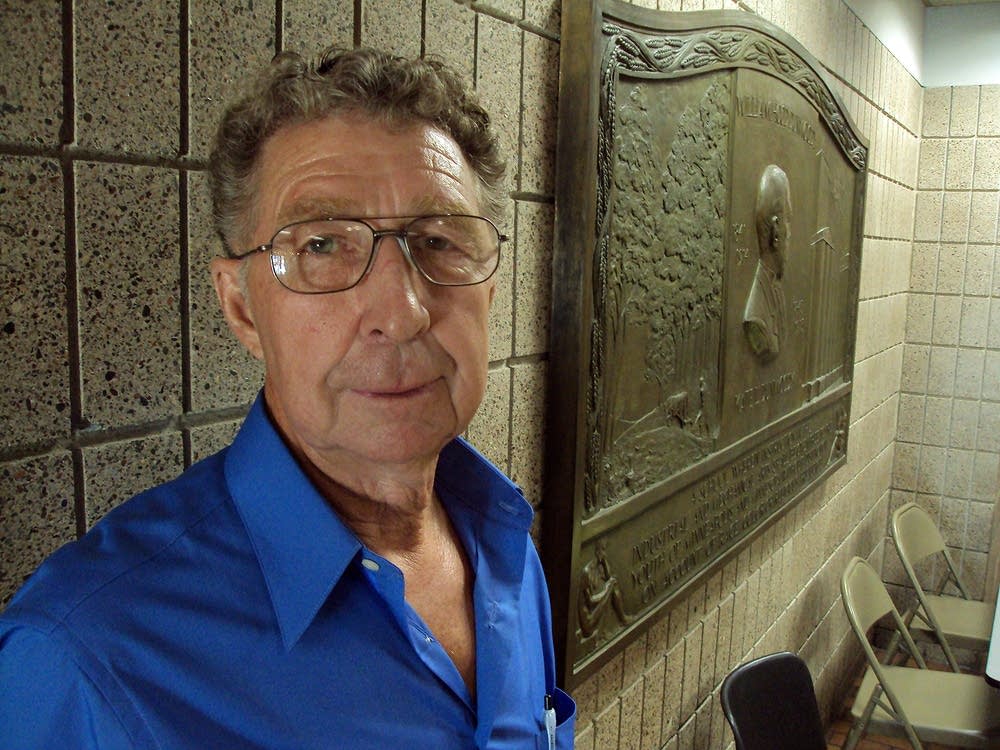
"Oh I never sleep," said inventor Bill Kurtz. "Even when I'm sleeping, I use to wake up and think about girls and sex. And now it's just those damn inventions."
Create a More Connected Minnesota
MPR News is your trusted resource for the news you need. With your support, MPR News brings accessible, courageous journalism and authentic conversation to everyone - free of paywalls and barriers. Your gift makes a difference.
Kurtz has more than a dozen inventions on the market; everything from a better horse feeder to plans for a magnetic mass transit system. Kurtz has been churning out ideas for years, but he says it's times like these, recession and all, when it pays to be an inventor.
"Actually this is a perfect time for inventors, because manufacturers are looking for products and new ways to generate revenue and ways to keep their employees," Kurtz said.
That means making new products. For that you need guys like Kurtz, or one of the other 60 or so people at the monthly meeting of the Minnesota Inventors Network.
The group meets at Dunwoody Technical College in Minneapolis to swap stories and share tricks of the trade. You've got farmers in overalls chatting with businesswomen in blazers. Scientists are gabbing with construction workers and everyone has a big idea.
"My invention is a retractable audio system for gardens and patios . . . "
"I have a tool called the 'Paint-Behind' that paints behind toilets . . ."
"Mine is a shower caddy that's corner mounted . . ."
A lot of these are modest advances in technology, but you could say these inventors are trying to meet a very real need.
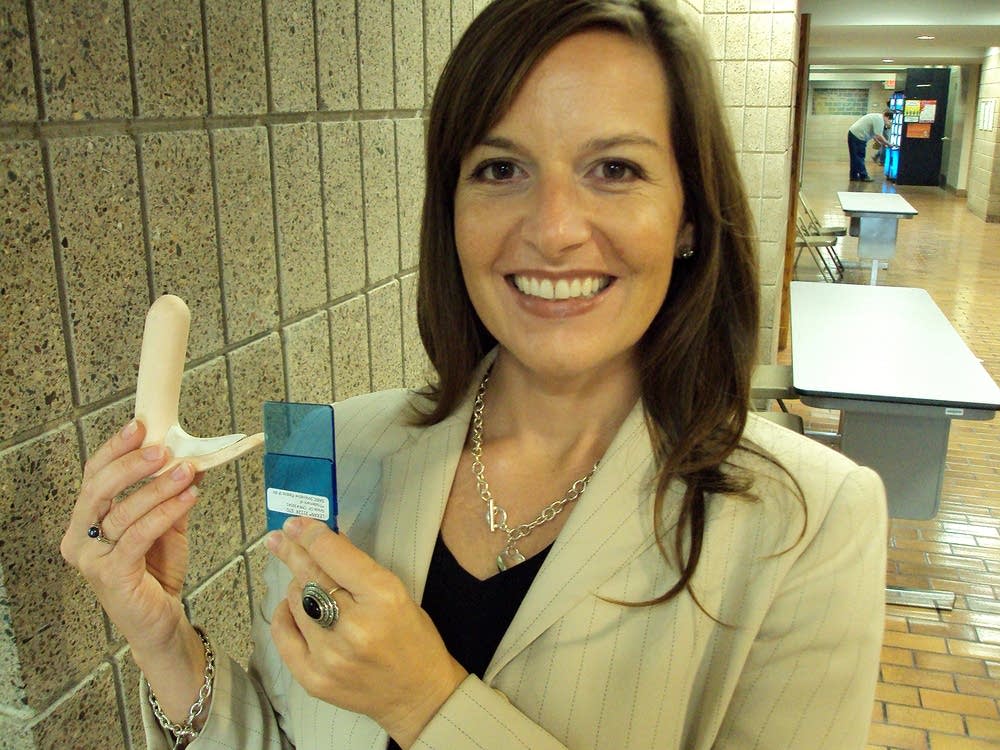
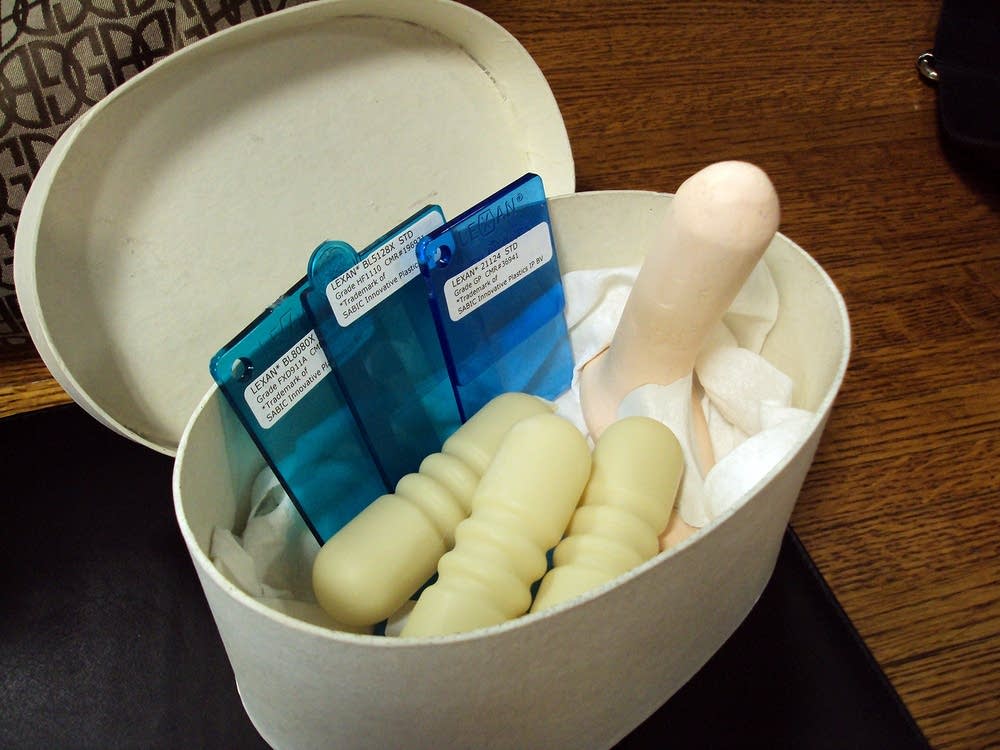
Take Pam Cole for instance. She said her invention sprang from a problem she was facing in her own life. She's got her prototype tucked neatly into a small hat box, and she's about to show it off.
"I want to preface that this is a medical device, so it's sensitive," Cole said. "But you can handle it, right? So this is an intra-vaginal cooling device for vaginal inflammation."
Pam Cole is physical therapist and certified wound specialist. She's confident her intra-vaginal device could save a lot of women a lot of grief. So, her invention is just one quick patent away from hitting the shelves of your local pharmacy, right? Wrong.
"I officially filed in 2005," she said. "We got our first notice last fall. But they are inundated, and no one wants to invest until you've got the patent. They know they are backlogged. It used to take 18 months to get a patent, and now it's up to four years."
Patent attorney Roger Belfay said the U.S. Patent Office is a bottleneck for new inventions.
"The biggest single roadblock for the American inventor is the time it takes to go through the patent office," Belfay said. "It's just waiting in line for the patent office to do something, and that uncertainty diminishes the value of every invention."
But this is America, the country that brought you the light bulb, the Ford Model T and the Slanket. How would we let the path to innovation get so clogged?
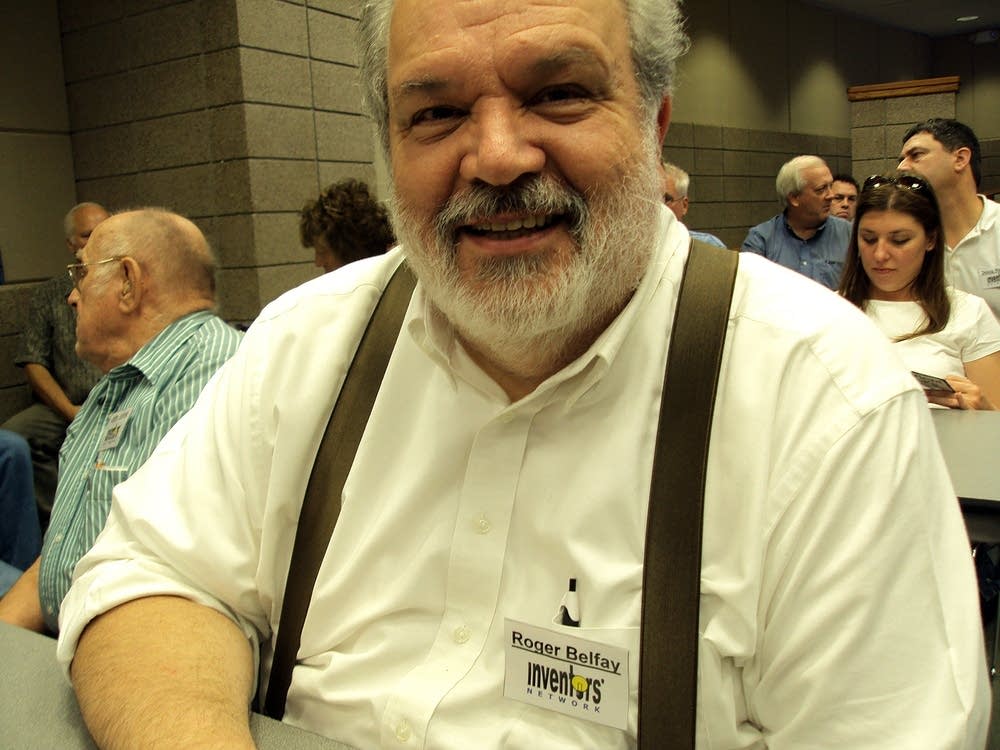
"How it happened was that for years and years, the patent office was treated as a cash cow by Congress," Belfay said. "The fees that they charged went into a general fund, for the most part. So they couldn't hire new people or get new equipment, so they got behind."
Congress stopped siphoning money from the patent office in 2004, but Belfay said there are still years of catching up to do. Add that hurdle to the cost of producing your product, marketing it, getting it in stores and protecting yourself from liability -- all with only faint chance of making a profit -- and you start to wonder if you have to be crazy to be an inventor.
Pam Cole said that's kind of true.
"There's a compulsion and there is something wrong with us that keeps us moving forward," Cole said. "I know it's corny, but I feel like I am the representative of the idea fairy and I need to bring this to the world."
And aren't we all better off because people do listen to those idea fairies?
