Recruiting for arsenic study to begin soon
Minnesota health officials say they could begin recruiting participants next month for the Minneapolis Children's Arsenic Study.
The study will measure arsenic levels in the bodies of 100 volunteer children who live in the south Minneapolis neighborhoods near the site of an old pesticide plant. The now closed plant manufactured or stored arsenic-containing pesticides between 1938 and 1963.
The health department's Jean Johnson says most people are exposed to low levels of arsenic because it's a naturally occurring element found in the air, soil, water and some foods.
"But, it is a concern with children, because children tend to, you know, play in the dirt and they tend to eat more, and get more into their mouths, so, that's why the particular focus here is on, on kids. They're more likely to get more of it from the soil," said Johnson.
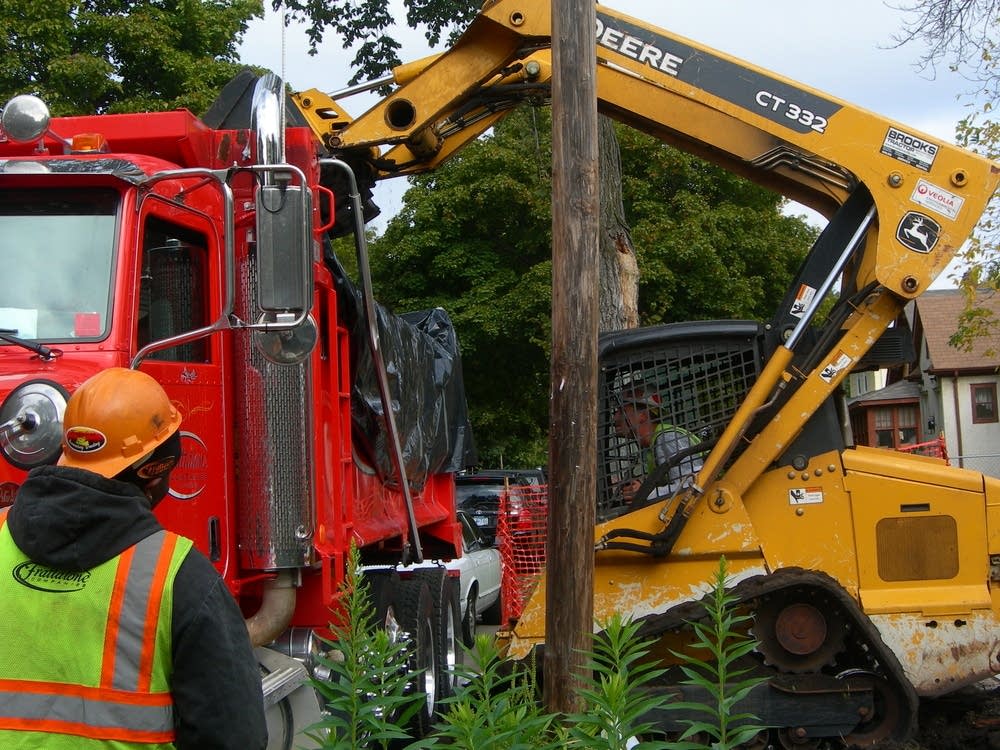
The study will focus on children between the ages of three and ten. The Environmental Protection Agency is in the process of removing soil from the yards of homes with the highest levels of arsenic.
Exposure to high levels of arsenic can have serious effects on the immune system and the nervous system.

Create a More Connected Minnesota
MPR News is your trusted resource for the news you need. With your support, MPR News brings accessible, courageous journalism and authentic conversation to everyone - free of paywalls and barriers. Your gift makes a difference.